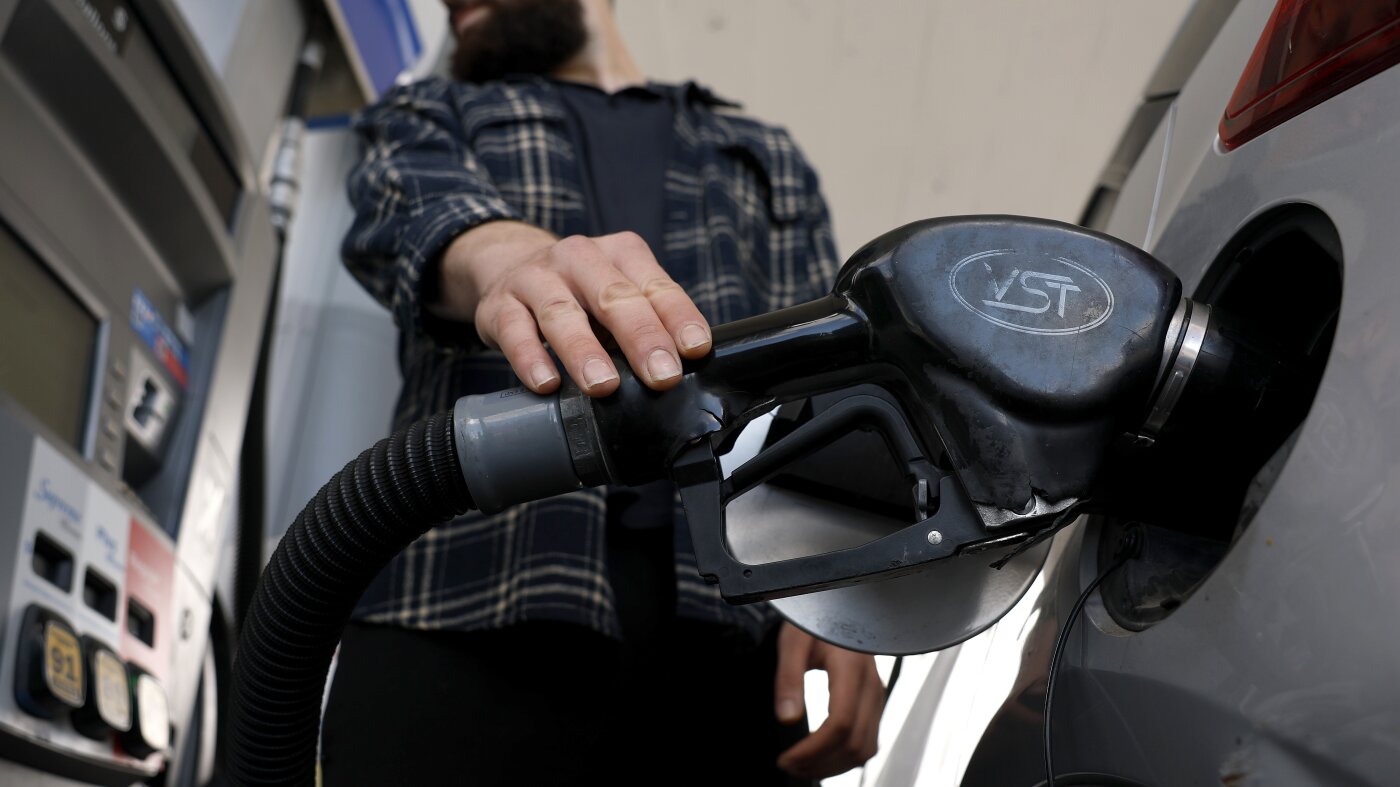
performance analysis We provide market intelligence focused on earnings data and stock price behavior. As the national average gasoline price reaches $4.55 per gallon ahead of one of the busiest travel weekends of the year, consumers are seeking ways to reduce fuel expenses. Options under consideration include adjusting driving behavior, adopting electric vehicles, or reducing travel altogether. This article examines potential cost-cutting strategies and their market implications.
Live News
performance analysis The use of multiple reference points can enhance market predictions. Investors often track futures, indices, and correlated commodities to gain a more holistic perspective. This multi-layered approach provides early indications of potential price movements and improves confidence in decision-making. Real-time analytics can improve intraday trading performance, allowing traders to identify breakout points, trend reversals, and momentum shifts. Using live feeds in combination with historical context ensures that decisions are both informed and timely. With the national average for a gallon of gasoline standing at $4.55, Americans are heading into one of the busiest travel weekends of the year. This price level has prompted many to explore methods to lower fuel costs. Common suggestions include reducing driving speed, as lower speeds generally improve fuel efficiency. Additionally, maintaining proper tire pressure and avoiding rapid acceleration may also help conserve fuel. Another option gaining attention is the shift toward electric vehicles (EVs), which could reduce or eliminate gasoline expenses. However, the upfront cost of EVs remains a consideration. For those unable or unwilling to change vehicles, alternatives such as carpooling, using public transit, or planning trips to combine errands could reduce miles driven. The source does not provide specific data on the effectiveness of each strategy, but these measures are frequently cited by automotive experts and government agencies as ways to lower fuel consumption.
Gas Prices at $4.55 National Average: Strategies from Driving Habits to Electrification to Cut Fuel Costs Many investors adopt a risk-adjusted approach to trading, weighing potential returns against the likelihood of loss. Understanding volatility, beta, and historical performance helps them optimize strategies while maintaining portfolio stability under different market conditions.Sentiment analysis has emerged as a complementary tool for traders, offering insight into how market participants collectively react to news and events. This information can be particularly valuable when combined with price and volume data for a more nuanced perspective.Gas Prices at $4.55 National Average: Strategies from Driving Habits to Electrification to Cut Fuel Costs Experienced traders often develop contingency plans for extreme scenarios. Preparing for sudden market shocks, liquidity crises, or rapid policy changes allows them to respond effectively without making impulsive decisions.Cross-asset analysis provides insight into how shifts in one market can influence another. For instance, changes in oil prices may affect energy stocks, while currency fluctuations can impact multinational companies. Recognizing these interdependencies enhances strategic planning.
Key Highlights
performance analysis Tracking order flow in real-time markets can offer early clues about impending price action. Observing how large participants enter and exit positions provides insight into supply-demand dynamics that may not be immediately visible through standard charts. Investors often balance quantitative and qualitative inputs to form a complete view. While numbers reveal measurable trends, understanding the narrative behind the market helps anticipate behavior driven by sentiment or expectations. Key takeaways from the current gas price environment include potential shifts in consumer behavior and sector impacts. Historically, sustained high fuel prices have led to increased interest in fuel-efficient vehicles, including hybrids and EVs. Automotive manufacturers may see changes in demand for their product mix, with potential growth in smaller, more efficient models. The oil and gas sector could experience altered demand patterns, though the extent remains uncertain. For retailers, gas station margins may tighten as consumers reduce fill-ups or travel less. Additionally, the busy travel weekend highlights a tension between consumer desire for mobility and cost sensitivity. This dynamic suggests that companies offering fuel-saving products or services—such as tire inflators, fuel additives, or trip planning apps—might see heightened interest. However, no specific company performance data is available from the source.
Gas Prices at $4.55 National Average: Strategies from Driving Habits to Electrification to Cut Fuel Costs Market behavior is often influenced by both short-term noise and long-term fundamentals. Differentiating between temporary volatility and meaningful trends is essential for maintaining a disciplined trading approach.Continuous learning is vital in financial markets. Investors who adapt to new tools, evolving strategies, and changing global conditions are often more successful than those who rely on static approaches.Gas Prices at $4.55 National Average: Strategies from Driving Habits to Electrification to Cut Fuel Costs Observing correlations between different sectors can highlight risk concentrations or opportunities. For example, financial sector performance might be tied to interest rate expectations, while tech stocks may react more to innovation cycles.Timely access to news and data allows traders to respond to sudden developments. Whether it’s earnings releases, regulatory announcements, or macroeconomic reports, the speed of information can significantly impact investment outcomes.
Expert Insights
performance analysis Some investors use scenario analysis to anticipate market reactions under various conditions. This method helps in preparing for unexpected outcomes and ensures that strategies remain flexible and resilient. Real-time tracking of futures markets often serves as an early indicator for equities. Futures prices typically adjust rapidly to news, providing traders with clues about potential moves in the underlying stocks or indices. From an investment perspective, the current high gas prices could influence several sectors, though outcomes are not guaranteed. Energy companies may face varying impacts depending on their exposure to retail versus wholesale markets. The EV sector might benefit from increased consumer consideration, but adoption rates depend on factors like charging infrastructure availability and vehicle affordability. Policy responses, such as potential gas tax holidays or subsidies for cleaner vehicles, could also reshape market dynamics. Investors should note that consumer behavior changes often lag price shifts, and the length of time gas prices stay elevated will likely determine the magnitude of any long-term effects. As always, individual financial decisions should be based on thorough research and personal circumstances. This analysis is for informational purposes only and does not constitute investment advice. Disclaimer: This analysis is for informational purposes only and does not constitute investment advice.
Gas Prices at $4.55 National Average: Strategies from Driving Habits to Electrification to Cut Fuel Costs Combining global perspectives with local insights provides a more comprehensive understanding. Monitoring developments in multiple regions helps investors anticipate cross-market impacts and potential opportunities.Monitoring macroeconomic indicators alongside asset performance is essential. Interest rates, employment data, and GDP growth often influence investor sentiment and sector-specific trends.Gas Prices at $4.55 National Average: Strategies from Driving Habits to Electrification to Cut Fuel Costs Volatility can present both risks and opportunities. Investors who manage their exposure carefully while capitalizing on price swings often achieve better outcomes than those who react emotionally.Using multiple analysis tools enhances confidence in decisions. Relying on both technical charts and fundamental insights reduces the chance of acting on incomplete or misleading information.