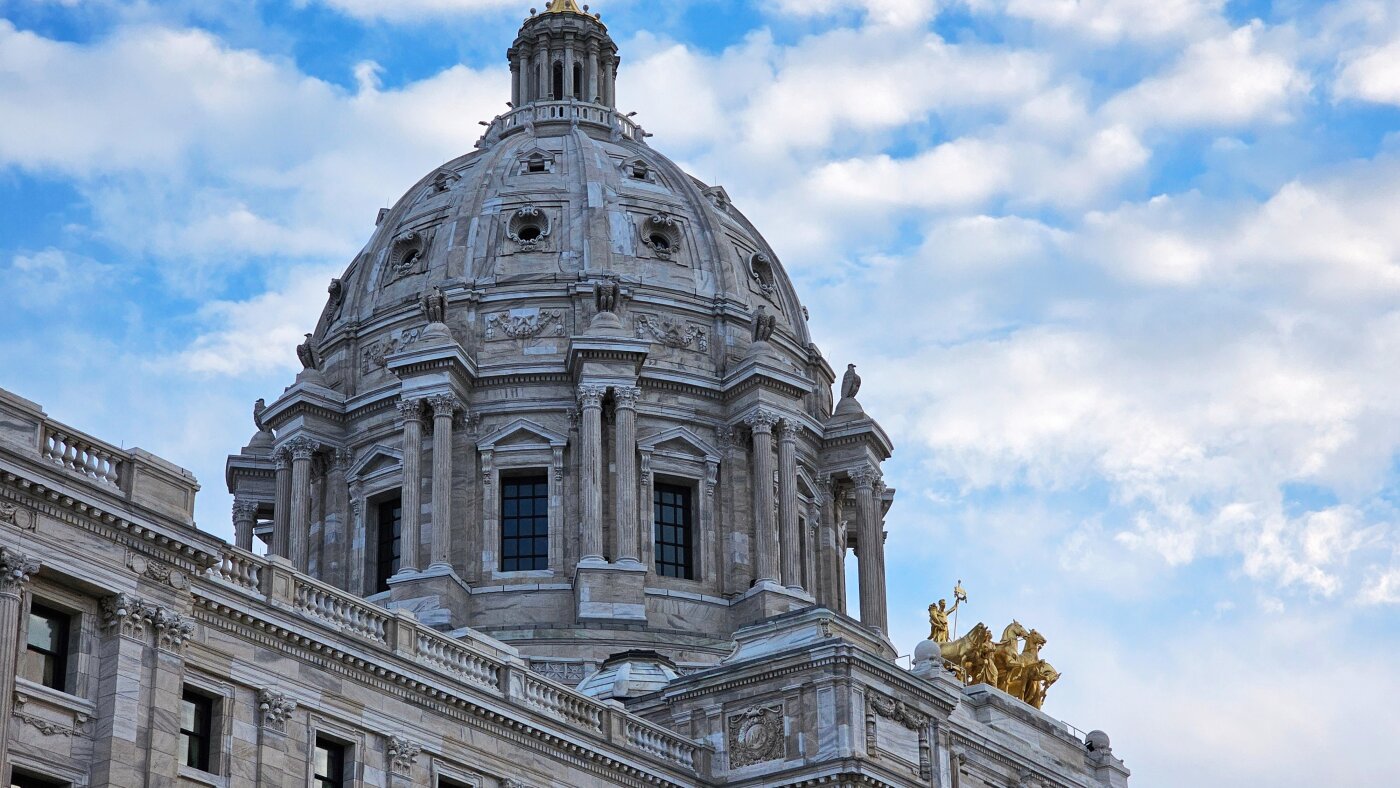
We deliver structured market intelligence based on earnings analysis and institutional trading patterns. Minnesota has enacted the nation's first state law making it a felony for prediction market platforms such as Kalshi and Polymarket to operate within its borders. The move escalates a broader legal push by dozens of states against the rapidly growing industry, which allows users to trade contracts on event outcomes. The new legislation signals a potentially tougher regulatory environment for these platforms at the state level.
Live News
Minnesota Becomes First State to Criminalize Prediction Markets as Regulatory Crackdown IntensifiesTechnical analysis can be enhanced by layering multiple indicators together. For example, combining moving averages with momentum oscillators often provides clearer signals than relying on a single tool. This approach can help confirm trends and reduce false signals in volatile markets. - First Felony Classification: Minnesota is the first state to make operating a prediction market a felony, marking a new frontier in state-level enforcement against the industry.
- Broader State Actions: Dozens of other states have taken legal steps—including cease-and-desist orders and lawsuits—but none had previously enacted criminal penalties.
- Industry Leaders Affected: The law directly impacts major platforms Kalshi and Polymarket, which allow trading on political and sports event outcomes.
- Possible Precedent: Other jurisdictions may follow Minnesota’s lead, potentially creating a patchwork of state laws that complicates compliance for prediction market operators.
- Federal Regulatory Context: The CFTC has separately pursued civil enforcement against unregistered event contracts, but state criminal laws add a new layer of risk for platforms and their executives.
Minnesota Becomes First State to Criminalize Prediction Markets as Regulatory Crackdown IntensifiesInvestors who keep detailed records of past trades often gain an edge over those who do not. Reviewing successes and failures allows them to identify patterns in decision-making, understand what strategies work best under certain conditions, and refine their approach over time.The interplay between macroeconomic factors and market trends is a critical consideration. Changes in interest rates, inflation expectations, and fiscal policy can influence investor sentiment and create ripple effects across sectors. Staying informed about broader economic conditions supports more strategic planning.Minnesota Becomes First State to Criminalize Prediction Markets as Regulatory Crackdown IntensifiesReal-time data is especially valuable during periods of heightened volatility. Rapid access to updates enables traders to respond to sudden price movements and avoid being caught off guard. Timely information can make the difference between capturing a profitable opportunity and missing it entirely.
Key Highlights
Minnesota Becomes First State to Criminalize Prediction Markets as Regulatory Crackdown IntensifiesAnalyzing trading volume alongside price movements provides a deeper understanding of market behavior. High volume often validates trends, while low volume may signal weakness. Combining these insights helps traders distinguish between genuine shifts and temporary anomalies. Minnesota has become the first U.S. state to pass a law specifically classifying the operation of unlicensed prediction markets as a felony, according to a report from NPR. The law targets companies like Kalshi and Polymarket, which offer contracts on political elections, sports, and other events, and could carry criminal penalties for firms that do not comply.
While many states have previously taken legal action—such as cease-and-desist letters or civil suits—against prediction market operators, Minnesota’s statute represents a significant escalation by introducing felony-level charges. The legislation was passed as part of a broader regulatory push, though specific details on enforcement mechanisms or penalties were not immediately detailed in the source.
The prediction market industry has faced increasing scrutiny in the United States. The Commodity Futures Trading Commission (CFTC) has argued that some event contracts resemble gambling and has sought to block certain offerings, while state regulators have expressed concerns about consumer protection and the potential for market manipulation. Minnesota’s new law could provide a template for other states considering similar criminal measures.
Neither Kalshi nor Polymarket has publicly commented on the Minnesota law at the time of the report. The platforms generally operate by registering as designated contract markets with federal regulators, but state-level prohibitions may complicate their ability to serve customers nationwide.
Minnesota Becomes First State to Criminalize Prediction Markets as Regulatory Crackdown IntensifiesSeasonality can play a role in market trends, as certain periods of the year often exhibit predictable behaviors. Recognizing these patterns allows investors to anticipate potential opportunities and avoid surprises, particularly in commodity and retail-related markets.Some traders incorporate global events into their analysis, including geopolitical developments, natural disasters, or policy changes. These factors can influence market sentiment and volatility, making it important to blend fundamental awareness with technical insights for better decision-making.Minnesota Becomes First State to Criminalize Prediction Markets as Regulatory Crackdown IntensifiesA systematic approach to portfolio allocation helps balance risk and reward. Investors who diversify across sectors, asset classes, and geographies often reduce the impact of market shocks and improve the consistency of returns over time.
Expert Insights
Minnesota Becomes First State to Criminalize Prediction Markets as Regulatory Crackdown IntensifiesWhile algorithms and AI tools are increasingly prevalent, human oversight remains essential. Automated models may fail to capture subtle nuances in sentiment, policy shifts, or unexpected events. Integrating data-driven insights with experienced judgment produces more reliable outcomes. Legal and regulatory observers note that Minnesota’s felony statute could significantly alter the risk calculus for prediction market platforms. While the CFTC has historically been the primary federal regulator overseeing these markets, state criminal laws introduce the possibility of prosecution that federal civil actions might not carry. Industry analysts suggest that the law may lead some platforms to restrict access for Minnesota residents or to challenge the statute in court on constitutional grounds, such as preemption by federal commodities law.
The move also raises questions about the broader classification of prediction markets. Some experts argue that event contracts serve a legitimate financial purpose by aggregating information, while others contend they function as unlicensed gambling. The lack of a federal framework has left a regulatory vacuum that states are now filling in different ways. As other states watch Minnesota’s experiment, the industry may face a period of increased legal uncertainty.
From an investment perspective, companies operating in the prediction market space may need to reassess their legal risks and geographic availability. The potential for criminal liability could deter venture capital funding and push platforms toward jurisdictions with clearer or more favorable rules. However, the outcome of any legal challenges or federal regulatory clarity could shift the landscape quickly. Investors and market participants should monitor both state-level legislative trends and CFTC rulemaking for further developments.
Disclaimer: This analysis is for informational purposes only and does not constitute investment advice.
Minnesota Becomes First State to Criminalize Prediction Markets as Regulatory Crackdown IntensifiesThe use of multiple reference points can enhance market predictions. Investors often track futures, indices, and correlated commodities to gain a more holistic perspective. This multi-layered approach provides early indications of potential price movements and improves confidence in decision-making.Real-time analytics can improve intraday trading performance, allowing traders to identify breakout points, trend reversals, and momentum shifts. Using live feeds in combination with historical context ensures that decisions are both informed and timely.Minnesota Becomes First State to Criminalize Prediction Markets as Regulatory Crackdown IntensifiesMany investors adopt a risk-adjusted approach to trading, weighing potential returns against the likelihood of loss. Understanding volatility, beta, and historical performance helps them optimize strategies while maintaining portfolio stability under different market conditions.