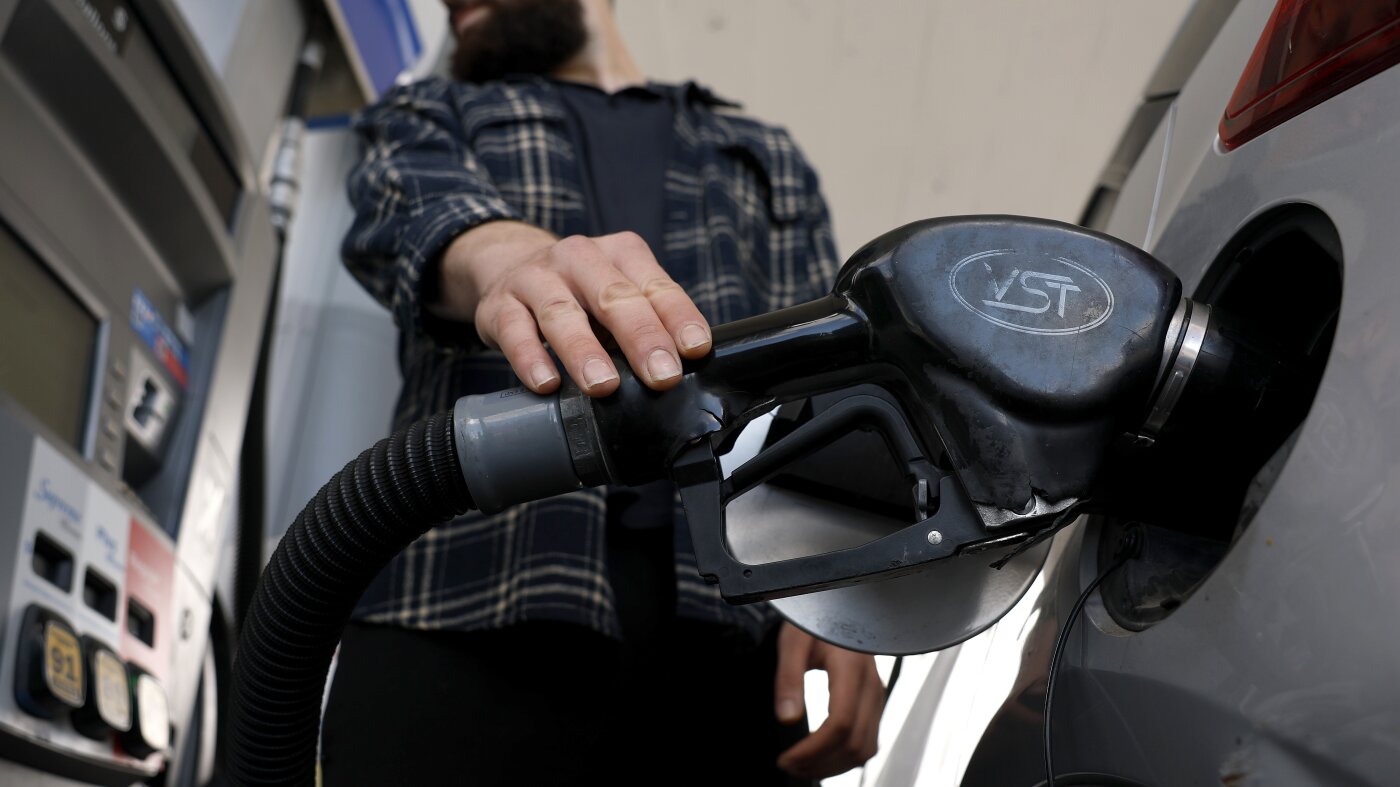
contextual insights We provide financial insights into stock performance, earnings expectations, and market sentiment shifts. The national average price for a gallon of gasoline has reached $4.55 as the United States enters one of the busiest travel weekends of the year. Consumers are evaluating options to reduce fuel costs, including driving slower, shifting to electric vehicles, or avoiding travel altogether. These behaviors could have ripple effects on consumer spending patterns and broader energy market dynamics.
Live News
contextual insights Predictive tools provide guidance rather than instructions. Investors adjust recommendations based on their own strategy. Real-time data can reveal early signals in volatile markets. Quick action may yield better outcomes, particularly for short-term positions. According to recently reported data from NPR, the national average gasoline price stands at $4.55 per gallon, coinciding with a peak travel period in the United States. The report highlights that consumers are exploring various methods to cut fuel expenses, such as adjusting driving habits, considering electric vehicles, or potentially reducing travel. These strategies reflect immediate responses to elevated fuel costs, which have become a significant factor in household budgeting. The high price level comes during a time when many Americans are planning holiday trips, potentially influencing both travel volumes and spending decisions. While the source does not attribute specific figures to consumer behavior changes, the context suggests that fuel costs are a pressing concern for a large segment of the population. The options presented—slower driving, electrification, and travel avoidance—represent a spectrum of potential adjustments, each with different implications for personal finance and broader economic trends.
Soaring Gas Prices Prompt Consumer Cost-Saving Strategies as Holiday Travel Peaks Structured analytical approaches improve consistency. By combining historical trends, real-time updates, and predictive models, investors gain a comprehensive perspective.Investors often rely on a combination of real-time data and historical context to form a balanced view of the market. By comparing current movements with past behavior, they can better understand whether a trend is sustainable or temporary.Soaring Gas Prices Prompt Consumer Cost-Saving Strategies as Holiday Travel Peaks Many traders monitor multiple asset classes simultaneously, including equities, commodities, and currencies. This broader perspective helps them identify correlations that may influence price action across different markets.Access to continuous data feeds allows investors to react more efficiently to sudden changes. In fast-moving environments, even small delays in information can significantly impact decision-making.
Key Highlights
contextual insights Some investors prefer structured dashboards that consolidate various indicators into one interface. This approach reduces the need to switch between platforms and improves overall workflow efficiency. Observing how global markets interact can provide valuable insights into local trends. Movements in one region often influence sentiment and liquidity in others. Key takeaways from the current fuel price environment include potential shifts in consumer behavior that may affect multiple sectors. Higher gasoline prices could lead to reduced discretionary spending on other goods and services, as households allocate more to transportation costs. The emphasis on driving slower and exploring electric vehicles suggests a growing interest in fuel efficiency and alternative energy sources. This trend could accelerate adoption of electric vehicles, though the pace would depend on factors such as charging infrastructure and vehicle availability. Additionally, the avoidance of travel altogether might dampen demand for hospitality and tourism services during peak periods. From a market perspective, higher gasoline prices could support energy sector revenues in the short term, but may also prompt regulatory and policy discussions around energy independence and sustainability. The data point of $4.55 per gallon serves as a benchmark against which future price movements and consumer responses can be measured.
Soaring Gas Prices Prompt Consumer Cost-Saving Strategies as Holiday Travel Peaks Traders frequently use data as a confirmation tool rather than a primary signal. By validating ideas with multiple sources, they reduce the risk of acting on incomplete information.The increasing availability of analytical tools has made it easier for individuals to participate in financial markets. However, understanding how to interpret the data remains a critical skill.Soaring Gas Prices Prompt Consumer Cost-Saving Strategies as Holiday Travel Peaks Some investors focus on macroeconomic indicators alongside market data. Factors such as interest rates, inflation, and commodity prices often play a role in shaping broader trends.Real-time tracking of futures markets can provide early signals for equity movements. Since futures often react quickly to news, they serve as a leading indicator in many cases.
Expert Insights
contextual insights Diversifying data sources can help reduce bias in analysis. Relying on a single perspective may lead to incomplete or misleading conclusions. Many traders use alerts to monitor key levels without constantly watching the screen. This allows them to maintain awareness while managing their time more efficiently. From an investment perspective, the sustained elevation of gasoline prices may have broad implications across industries. Energy companies could see continued revenue support if crude oil prices remain high, though market volatility and geopolitical factors could influence this trajectory. The potential consumer pivot toward fuel efficiency and electric vehicles might benefit companies in the EV supply chain, including battery manufacturers and charging infrastructure providers. However, the pace of any such shift remains uncertain, as it depends on evolving consumer preferences, government policies, and technological advancements. Broader economic indicators, such as inflation and consumer confidence, could be influenced by fuel price trends. No specific stock recommendations or earnings projections are provided here, as outcomes would vary based on market conditions. Future developments in energy policy and consumer demand will likely shape these dynamics. As always, market participants should consider a range of scenarios and exercise caution when evaluating potential impacts. Disclaimer: This analysis is for informational purposes only and does not constitute investment advice.
Soaring Gas Prices Prompt Consumer Cost-Saving Strategies as Holiday Travel Peaks The integration of multiple datasets enables investors to see patterns that might not be visible in isolation. Cross-referencing information improves analytical depth.Some investors prioritize simplicity in their tools, focusing only on key indicators. Others prefer detailed metrics to gain a deeper understanding of market dynamics.Soaring Gas Prices Prompt Consumer Cost-Saving Strategies as Holiday Travel Peaks Real-time updates are particularly valuable during periods of high volatility. They allow traders to adjust strategies quickly as new information becomes available.Combining technical indicators with broader market data can enhance decision-making. Each method provides a different perspective on price behavior.