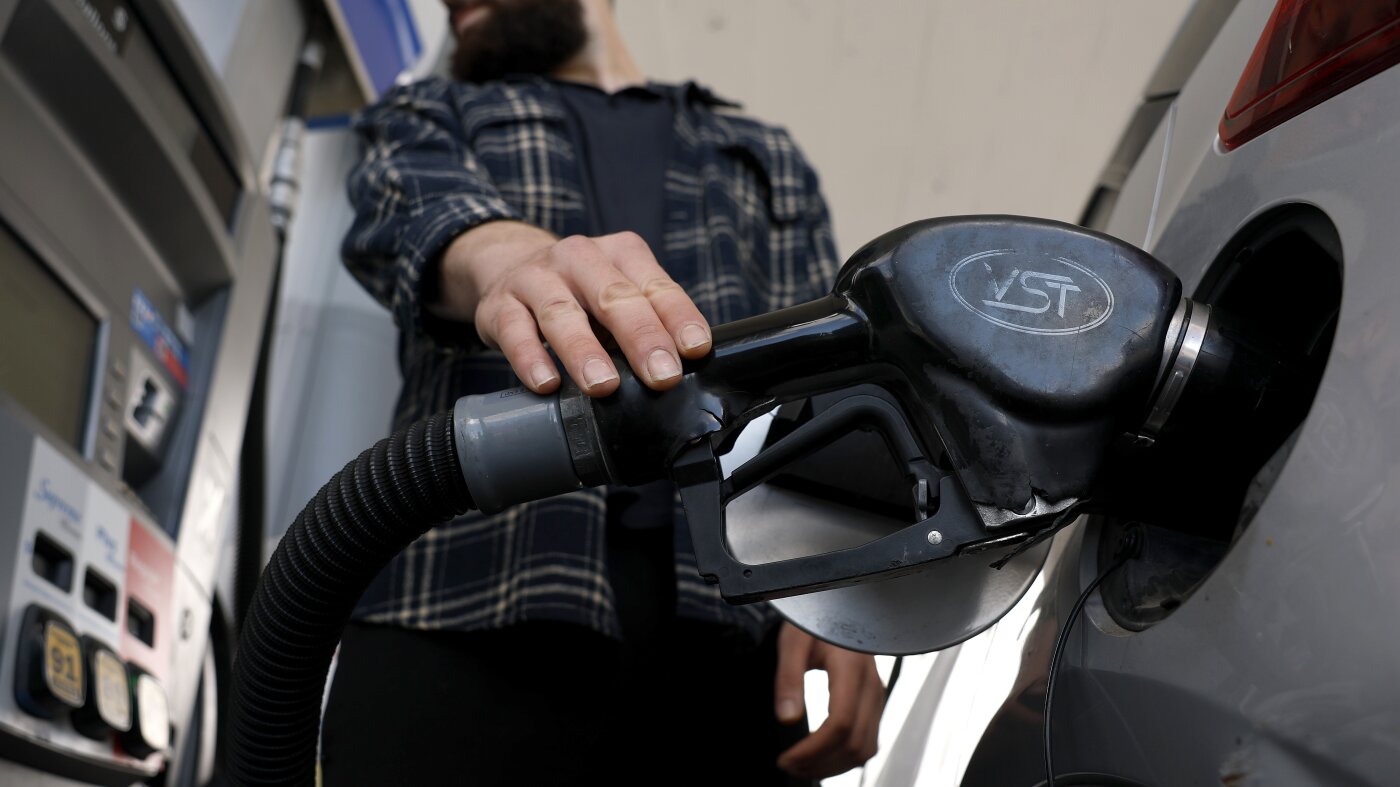
comparison insights Our platform provides equity market coverage with a focus on earnings trends and trading activity. With the national average for a gallon of gasoline reaching $4.55, American consumers are exploring various strategies to reduce fuel costs ahead of one of the busiest travel weekends of the year. Options range from adjusting driving behavior to considering electric vehicles, reflecting a broader shift in transportation economics.
Live News
comparison insights Some investors integrate AI models to support analysis. The human element remains essential for interpreting outputs contextually. Traders often combine multiple technical indicators for confirmation. Alignment among metrics reduces the likelihood of false signals. As the United States enters a peak travel period, the national average gasoline price has climbed to $4.55 per gallon, according to the latest available data. This price level has prompted many drivers to seek immediate ways to lower their fuel expenses. Common suggestions include reducing driving speed, as fuel efficiency typically decreases significantly above 50 miles per hour. Additionally, maintaining proper tire pressure and avoiding rapid acceleration may improve mileage. The source also highlights the potential of electric vehicles (EVs) as a long-term solution, though the upfront cost remains a barrier for many. Some drivers may opt to eliminate trips altogether through carpooling, telecommuting, or using public transit. These behavioral changes come as the travel industry anticipates high demand over the holiday weekend, with many families still planning road trips despite the elevated prices. Economic pressures from higher gasoline costs may also influence consumer spending patterns, potentially reducing discretionary expenditures in other areas. The $4.55 national average represents a notable increase from previous months, though prices vary widely by region and are subject to global crude oil market dynamics.
Soaring Gas Prices Prompt Shift in Driving Habits and Fuel-Saving Strategies Market participants frequently adjust dashboards to suit evolving strategies. Flexibility in tools allows adaptation to changing conditions.Real-time data supports informed decision-making, but interpretation determines outcomes. Skilled investors apply judgment alongside numbers.Soaring Gas Prices Prompt Shift in Driving Habits and Fuel-Saving Strategies Historical trends provide context for current market conditions. Recognizing patterns helps anticipate possible moves.Diversification in analytical tools complements portfolio diversification. Observing multiple datasets reduces the chance of oversight.
Key Highlights
comparison insights Some traders adopt a mix of automated alerts and manual observation. This approach balances efficiency with personal insight. Cross-asset analysis can guide hedging strategies. Understanding inter-market relationships mitigates risk exposure. Key takeaways from the current situation include the potential for sustained fuel conservation efforts among consumers. Historically, high gas prices have led to measurable reductions in miles driven, and a similar response may be underway. The shift toward more fuel-efficient vehicles or even EVs could accelerate if prices remain elevated for an extended period. From a market perspective, the high cost of gasoline may affect demand for fuel-intensive goods and services. For example, industries reliant on shipping and logistics could face higher operating costs, which might be passed on to consumers. However, the extent of these effects would depend on the duration of the price spike and the overall economic environment. The travel industry, particularly airlines and hotels, may see alterations in booking patterns as some families opt for closer destinations or shorter trips. Meanwhile, retailers of automotive parts and services could benefit from increased interest in fuel-saving maintenance, such as air filter replacements and oil changes.
Soaring Gas Prices Prompt Shift in Driving Habits and Fuel-Saving Strategies Access to global market information improves situational awareness. Traders can anticipate the effects of macroeconomic events.Scenario planning prepares investors for unexpected volatility. Multiple potential outcomes allow for preemptive adjustments.Soaring Gas Prices Prompt Shift in Driving Habits and Fuel-Saving Strategies Visualization of complex relationships aids comprehension. Graphs and charts highlight insights not apparent in raw numbers.Combining technical and fundamental analysis provides a balanced perspective. Both short-term and long-term factors are considered.
Expert Insights
comparison insights Some investors rely on sentiment alongside traditional indicators. Early detection of behavioral trends can signal emerging opportunities. Data-driven decision-making does not replace judgment. Experienced traders interpret numbers in context to reduce errors. Investment implications from rising gas prices are nuanced and require cautious consideration. Companies involved in energy production might see short-term revenue gains from higher prices, but regulatory and technological shifts could moderate these benefits over the longer term. Conversely, firms in the renewable energy and electric vehicle sectors could experience increased attention from consumers and policymakers alike. Broader economic effects may include changes in inflation expectations, as transportation costs feed into many consumer goods. Central banks and fiscal authorities might factor these price movements into their policy decisions, though the impact on monetary policy remains uncertain. For individual investors, the current environment underscores the importance of diversification across sectors that respond differently to energy price fluctuations. The transition toward alternative fuels and efficient travel may continue, but the pace of change is difficult to predict. Industry experts suggest that a combination of driver behavior, vehicle technology, and government incentives would likely shape the trajectory of fuel consumption in the coming years. Disclaimer: This analysis is for informational purposes only and does not constitute investment advice.
Soaring Gas Prices Prompt Shift in Driving Habits and Fuel-Saving Strategies Monitoring multiple asset classes simultaneously enhances insight. Observing how changes ripple across markets supports better allocation.Predictive tools provide guidance rather than instructions. Investors adjust recommendations based on their own strategy.Soaring Gas Prices Prompt Shift in Driving Habits and Fuel-Saving Strategies Real-time data can reveal early signals in volatile markets. Quick action may yield better outcomes, particularly for short-term positions.Structured analytical approaches improve consistency. By combining historical trends, real-time updates, and predictive models, investors gain a comprehensive perspective.